

Beyond the headlines: Daniel Malikyar on capturing the unseen beauty of Afghanistan
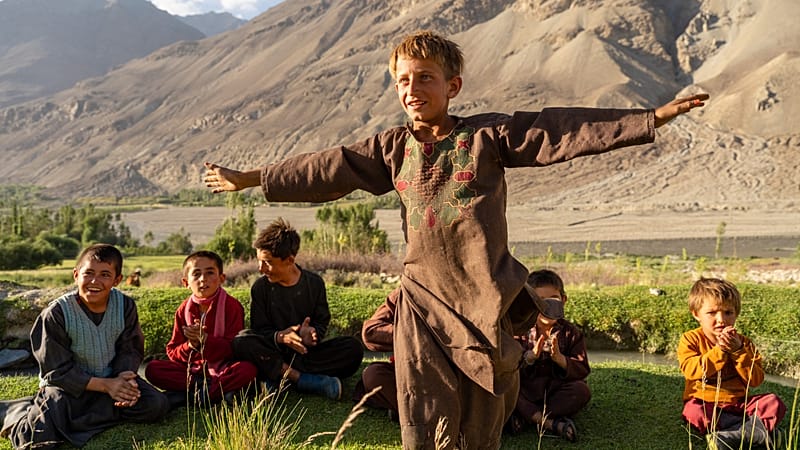
For decades, the world's image of Afghanistan has been shaped almost exclusively by conflict, crisis and the headlines. In his ambitious new book, Afghanistan, photographer Daniel Malikyar hopes to change that.
The son of Afghan refugees who grew up in the United States, Malikyar travelled independently across the country before the Taliban's return to power, five years ago on 15 August 2021. He documented remote communities, everyday rituals and landscapes rarely seen by international audiences.
As he told Euronews Culture, his goal was simple: "When people think of Afghanistan, they just think of the headlines. But there's so much beyond that."
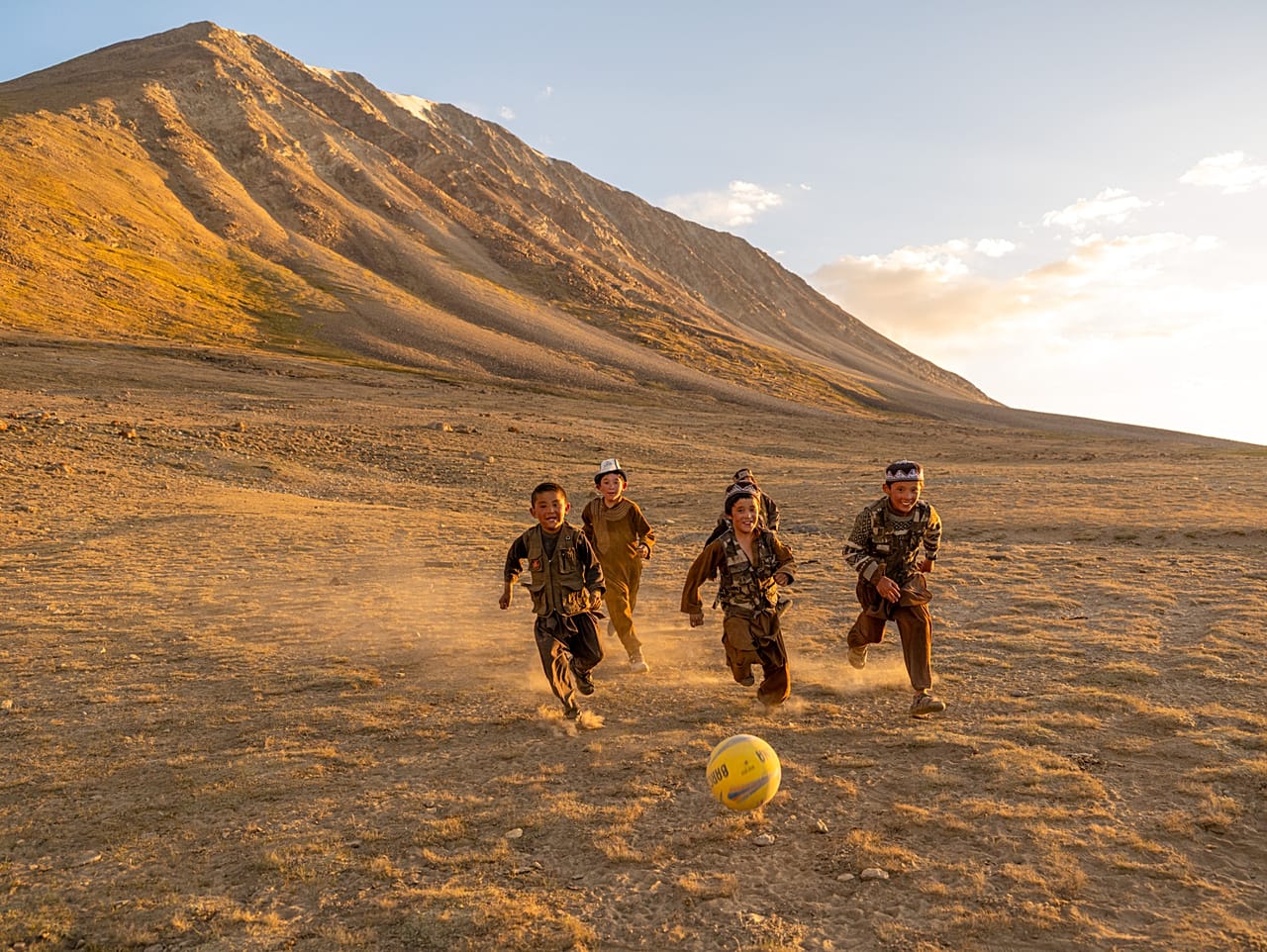
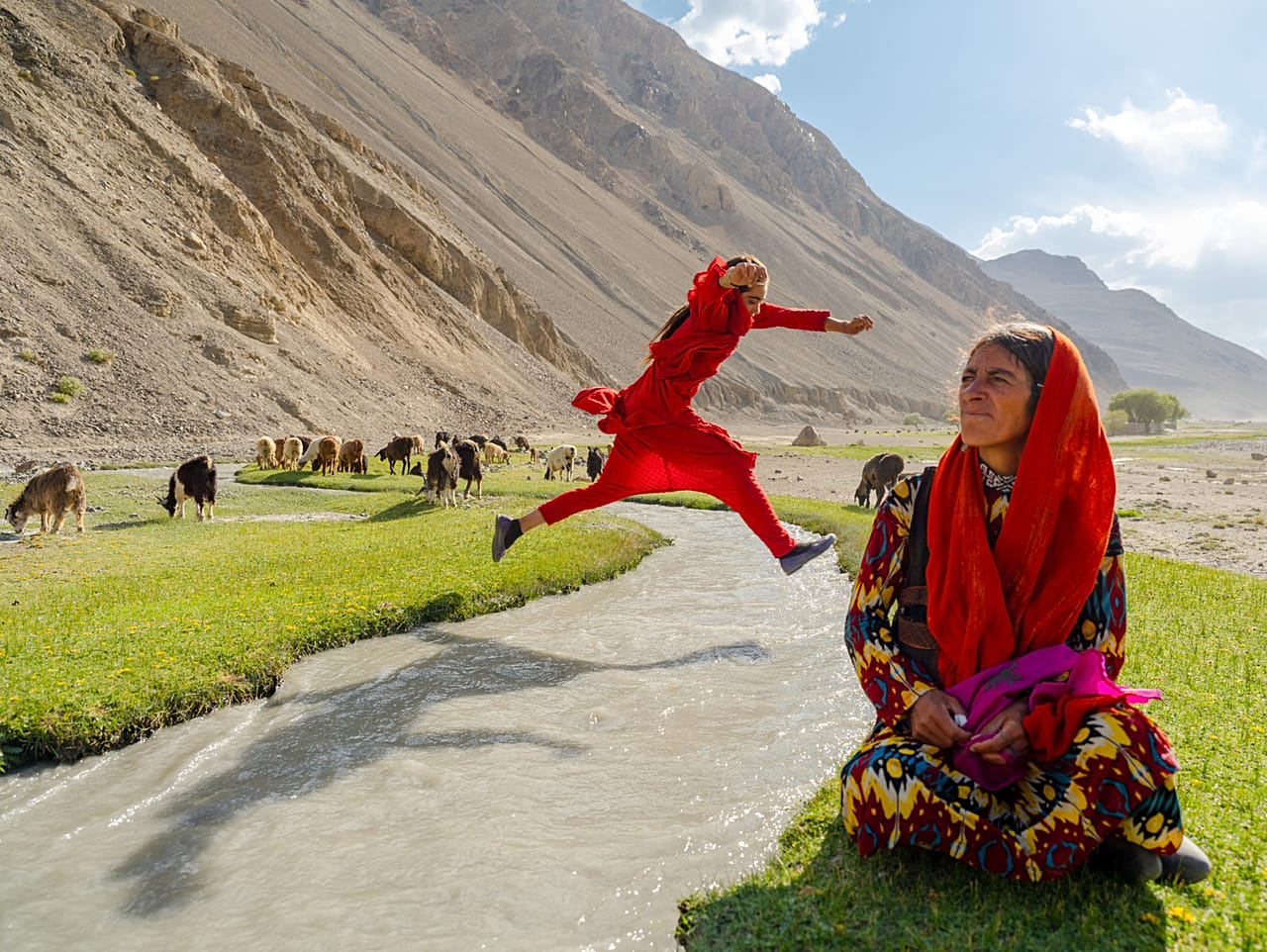
Malikyar's images celebrate the country's beauty, culture and resilience - from balloon sellers drifting through the streets of Kabul at sunrise, children flying kites above the city's rooftops, to Kyrgyz families herding yaks in the Pamir Mountains and intimate portraits of women and elders in some of Afghanistan's most remote regions.
Ahead of the book's publication, Euronews Culture spoke to Malikyar about the journey of reconnecting with his ancestral homeland and the stories behind some of his most striking images from the series.
Euronews Culture: For people who may not know your work, could you start by telling us about your relationship with Afghanistan and how this project first began?
Daniel Malikyar: Definitely. My family is originally from Afghanistan, and my parents immigrated to the United States in 1979, just before the Soviet invasion. Growing up, I had this dual experience where, at home, I was always shown and got to experience the beauty of our culture through the food, the music, and all of the different stories that my family would tell me about our homeland.
But then, when I'd step outside, the experience was entirely different. It was driven by the narratives you saw in the headlines. I always had this longing to bridge that gap and gain a deeper understanding of both where I come from and myself. It felt like a piece of me was missing.
Subconsciously, the stories my parents told me about their childhood - flying kites, their gardens, and all these beautiful little moments they experienced - I never really got to see what those looked like because there wasn't any documentation of them. The only visuals I saw were largely the things you saw on the news.
I believe this project was my way of trying to gain a deeper understanding of my roots and almost search for and document the missing pieces of those stories. A lot of these photographs were subconsciously inspired by those conversations around the dinner table when I was a kid. Seeing those moments unfold in front of me felt like a full-circle, homecoming experience.
How has making this project changed your own relationship with your Afghan identity? And what has it meant for your family to see these photographs?
I think this project gave my family a chance to reconnect with our homeland and with places they themselves had never been able to visit as children. Afghanistan is still developing, and after decades of conflict, travelling through certain regions hasn't always been easy.
They had heard stories about places like Nuristan - a province that almost felt mythical, with its lush forests and rivers. Seeing those places through my photographs, along with so many others across the country, was incredibly meaningful. I could see their faces light up when they saw everyday life. Sharing the photographs with my grandmother and watching the documentary come together with my parents was one of the most gratifying and full-circle moments of the entire project.
Personally, that sense of something missing has disappeared. The gap has been bridged. I feel more whole, and the way I see both Afghanistan and myself has shifted in a really positive way. Being able to relive those experiences through the photographs, the book, and the documentary series has been the most fulfilling experience of my life so far.
One of your biggest inspirations was your grandfather, Omar, who documented your family through photographs and home videos. What has stayed with you from that archive, and how has it influenced your own work?
As a kid, my grandfather Omar was somebody I really looked up to and had a very close relationship with. I only got to see him once a year because he lived in Virginia while I grew up in Los Angeles. He documented those visits, and I got to relive them through his perspective - through the tapes he sent us and the developed film. That subconsciously inspired me to pick up a camera and document the world around me.
This project is something I know he's looking down on, and it was deeply inspired by what he instilled in me simply by being himself.
One thing I love about these photographs is how intimate they feel. How do you build that trust with people you've often only just met?
For me, anywhere in the world, whether I'm photographing a fleeting encounter or someone who becomes a lifelong friend, everything is built on trust. And trust has to be earned.
A lot of the time I don't even take my camera out until I've sat with people, shared tea, explained my intentions, and told them that I'm Afghan, that I speak the language, and that I'm there as someone connected to them rather than as an outsider. That allows people to simply be themselves. There's no agenda, no posing. Many of these photographs were taken in remote villages where people were simply going about their day. I think that honesty comes through in both the big and the small details.
Often, when you see photographs from Afghanistan or other remote places, people can look uncertain about why they're being photographed. That wasn't the case here.
I photographed children at eye level because I wanted to meet them exactly where they were, rather than looking down at them. Through those decisions and intentions, I wanted to portray Afghan people with dignity, and I think that comes across throughout the project.
You've photographed people all over the world. What made photographing Afghanistan different from anywhere else?
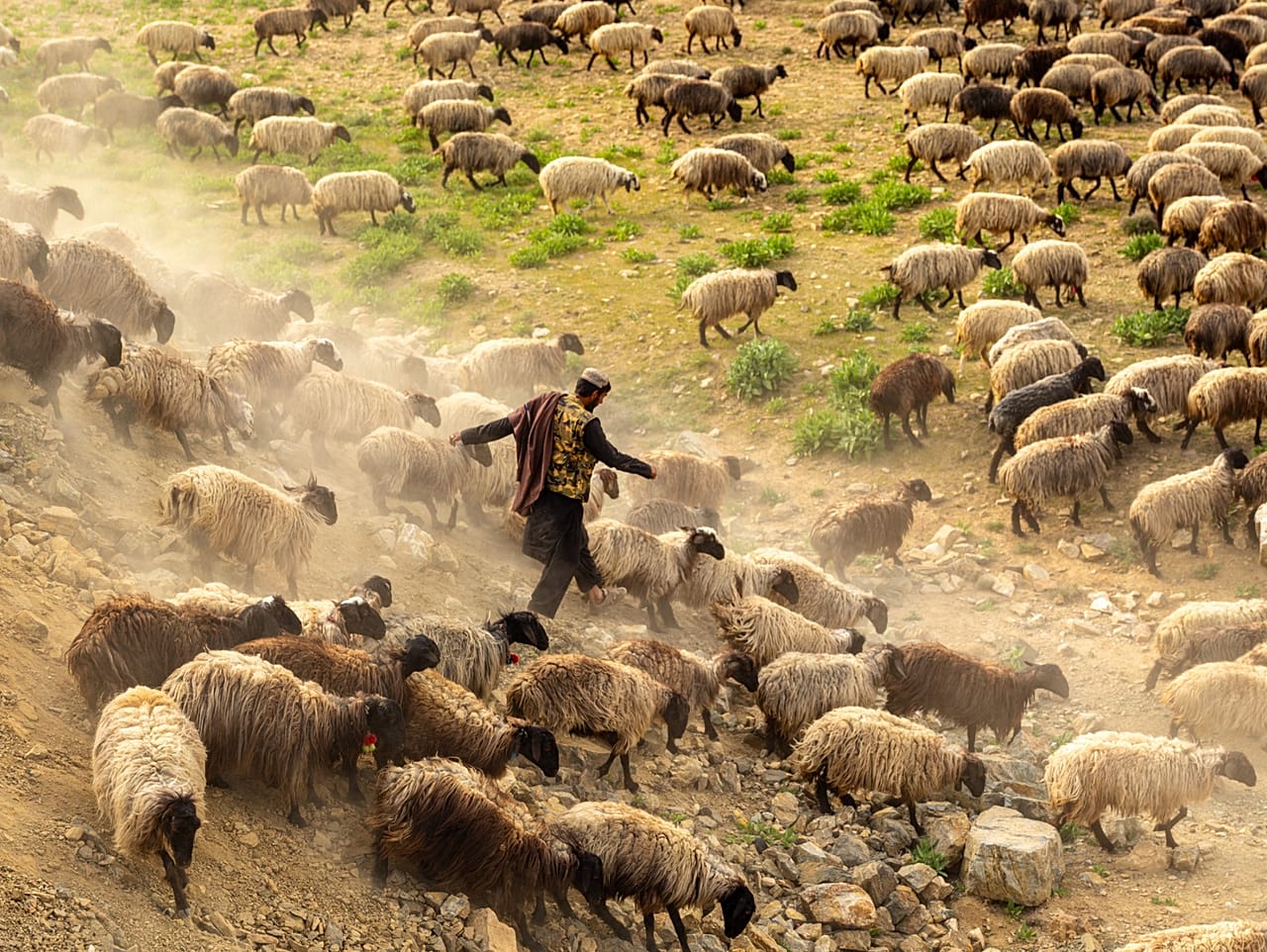
Afghanistan is a country made up of many different ethnic backgrounds and thousands of years of history and culture. Today it's increasingly difficult to discover places and stories that genuinely feel unseen because of how connected the world has become through technology and globalization.
Afghanistan is one of the few places where there are still so many untold human stories and communities that deserve to be seen. It was an incredible privilege to visit communities that, in many cases, had never even seen a camera before, and to share the beauty of their traditions, culture, and everyday lives through this project.
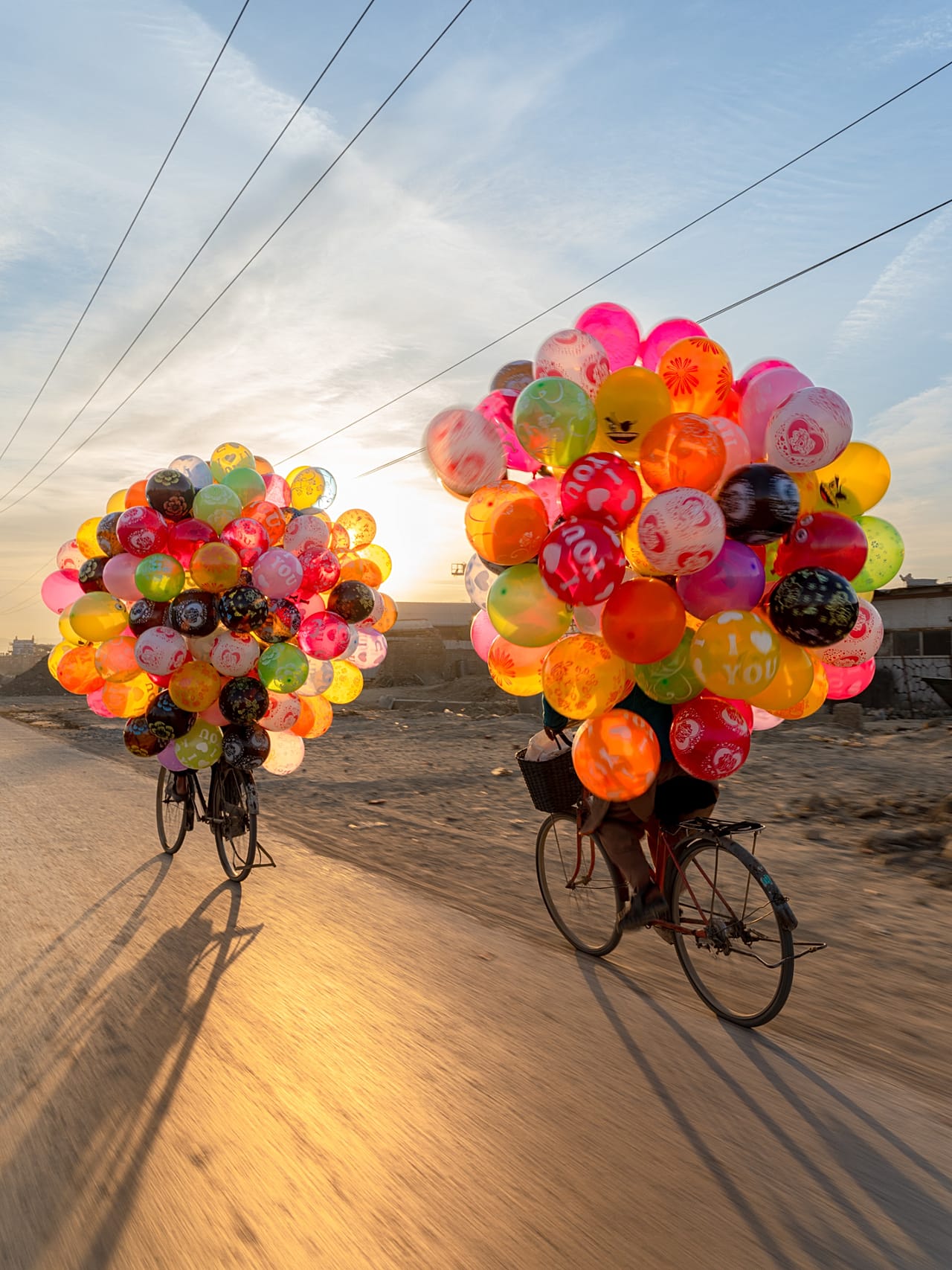
Could we talk through a few of the photographs? I love the image of the two cyclists with the huge bunch of balloons trailing behind them. What's the story behind that shot?
That photograph is called Omid, which translates to "hope" in English. It's also my little brother's name.
The photograph was entirely serendipitous, as was much of this body of work. I was in a taxi very early in the morning, leaving Kabul on my way to a rural village to photograph a fashion subculture I'd discovered. The sun had just risen and, as we were leaving the city, I noticed these massive globs of colour dancing in the distance. It almost felt surreal, and I immediately knew they were balloon sellers.
The reason I named the piece Omid is because I believe balloon sellers spread hope. They make children happy. Balloons are nostalgic, and they were simply on their way to work that morning. You see them scattered throughout the city from time to time, but it's very rare to see them carrying all of their balloons because they gradually sell them throughout the day. I was very fortunate to capture that brief moment.
Oftentimes, I feel like the most special photographs are presented to you rather than taken. These beautiful moments appear, and if you're ready to witness and document them, they're gone just as quickly. It's one of my favourite images from the project because it represents exactly what I was hoping to witness while travelling through Afghanistan.
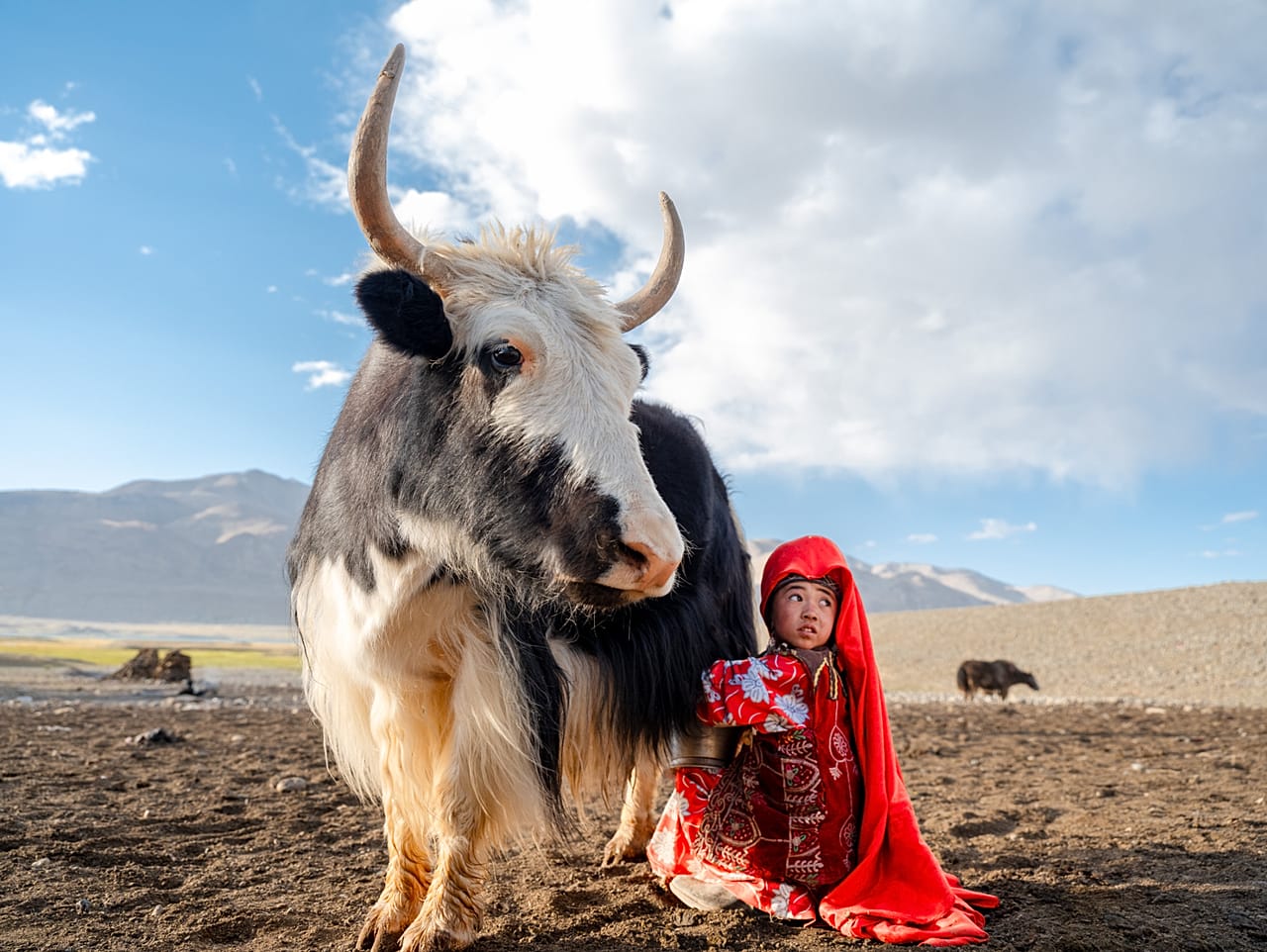
I'd also love to ask about the photograph of the young girl milking a yak. How did that come about?
That photograph of this beautiful Kyrgyz girl milking a yak was taken in the Pamir Mountains of Afghanistan, one of the highest inhabited regions in the world at around 4,000 metres above sea level.
The Kyrgyz people there are nomadic, travelling three or four times a year in search of the best grazing land for their cattle. They've preserved a way of life that stretches back generations and is very different from what most of us experience day to day.
Milking the yaks is a daily ritual, carried out every morning and evening. Much of their livelihood revolves around them. The milk is used to make yoghurt and qurut, a traditional food that's commonly eaten throughout the region and across Afghanistan.
I was very fortunate to document this moment of Shargha milking the yak that afternoon before the animals were tied down for the evening.
In what formats are you presenting this project?
Rather than telling the story through a single medium, I've created a storytelling blueprint that brings together several different formats. The project includes a coffee table book, a documentary series - where each episode corresponds with a chapter in the book - and a fine art exhibition featuring limited-edition framed photographs, projected films from the project, and handcrafted ancient artefacts from Afghanistan to create a fully immersive experience.
I wanted people to truly feel what it was like to step into my world while creating this project, which is why I chose to tell the story through multiple forms of storytelling.
A percentage of all proceeds will also go towards developing a new generation of visual storytellers within Afghanistan, so Afghans can continue telling their own stories through their own eyes.
Today