

Champagne harvest: why picking begins as early as mid-August
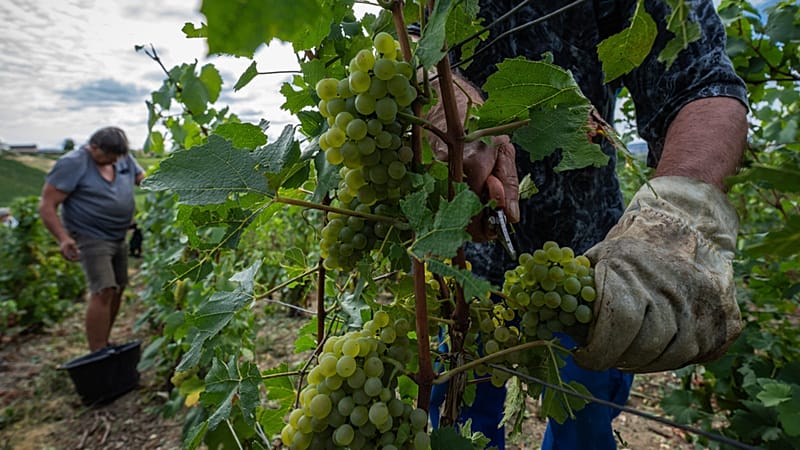
In Champagne, the calendar seems to have gone into overdrive. On the hillsides of Hautvillers, grape-pickers are already hard at work even though August is not yet over.
This year, the first picking officially started between 12 and 17 August, depending on the area and the grape variety. An exceptionally early start that speaks volumes about how the region's climate is changing.
For Alexandre Gobillard, production director at the Gobillard & Fils house, harvesting this early was once unthinkable.
"I've been working on the estate for 30 years, and when I started my father always used to say: 'On 15 August, go on holiday.' Today it's 18 August, and we're in the middle of the harvest. We've never seen anything like it," he explains.
The heat has dramatically sped up the ripening of the grapes. After a spell of frost at the end of March (another first), Champagne then endured several heatwaves and severe drought. Temperatures even reached 40°C in some parts of the region in June.
The drought has also increased the concentration of sugars in the grapes. Winegrowers therefore have to monitor ripeness extremely closely to strike the right balance and produce champagne that is sufficiently fresh and delicate.
A little further east, in Tours-sur-Marne, the situation is the same. The owner of these vines, Ophélie Lapie-Lamiable, can only observe that, for the past twenty years or so, especially since the 2003 heatwave, the harvest has been systematically brought forward, and that people will probably have to get used to it.
"2003 is still remembered as a landmark year. It was the first time we harvested in Champagne at the end of August. Since 2003, we've harvested at the end of August at least 10 times, so 2026 will probably also go down in history for its frost and its earliness. Perhaps in 20 years' time we'll be saying that in the end, harvesting on 15 August has more or less become normal," says Ophélie Lapie-Lamiable, manager of Champagne Lamiable.
Adapting to global warming at all costs
This shift is already forcing the industry to rethink its practices and consider grape varieties that can better withstand climate change. It also makes organising the harvest more complicated, as it is traditionally carried out by hand, with thousands of seasonal workers who need to be housed and transported in the height of summer, sometimes in sweltering heat.
Out in the vineyards, the first signs are still encouraging. The question now is what this lightning-quick harvest will produce once the wine is in the bottle.
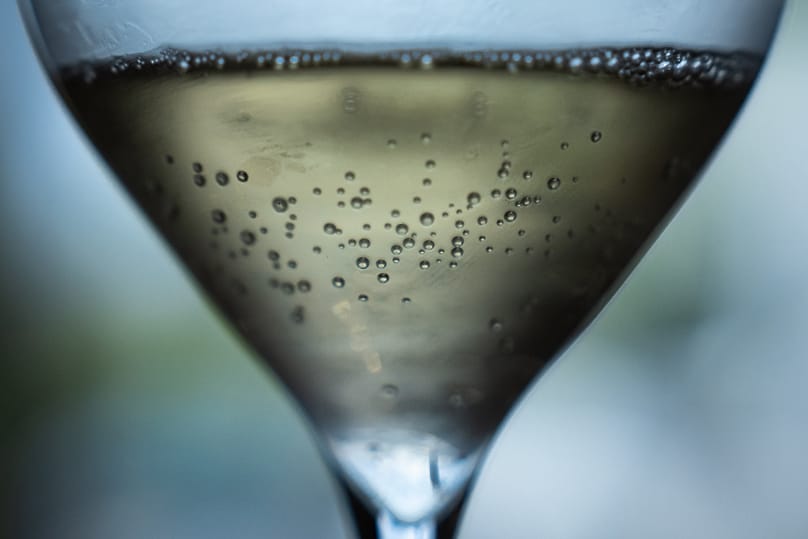
In the cellars, the grapes are already being pressed. The first bubbles of this very early vintage are therefore beginning to take shape, and it will take a few years to know whether they have also lived up to all their promise and are considered a grand cru.
This text was translated with the help of artificial intelligence. Report a problem : [feedback-articles-en@euronews.com].
Today