

Scientists find possible new route to more powerful mRNA drugs
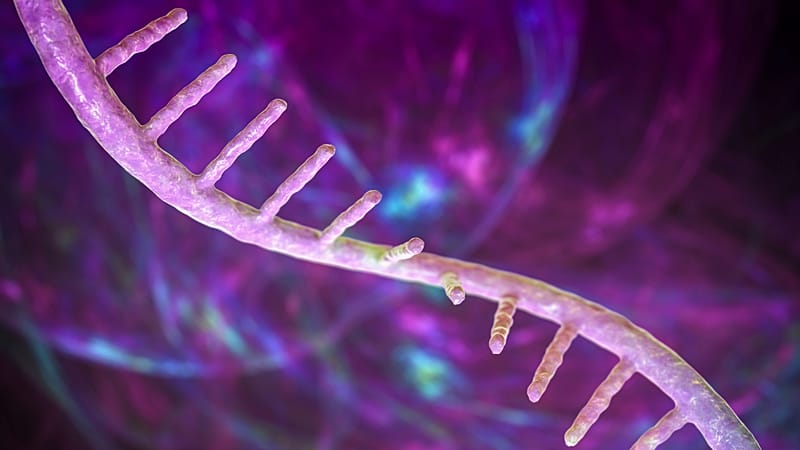
Scientists at Johns Hopkins Medicine say they have identified a potential way to make mRNA therapies produce more protein inside cells, a finding that could eventually influence vaccines and treatments for cancer, infectious diseases and autoimmune conditions.
The research, published in Nature, focuses on a naturally occurring RNA modification called N4-acetylcytidine, or ac4C. Today, the leading mRNA platform relies on a different modification, N1-methylpseudouridine, or m1Ψ — the technology used in the COVID-19 mRNA vaccines and now being studied for other medical applications.
The team tested the two approaches in cultured human dendritic cells and mouse liver cells
“Our results show that ac4C causes cells to produce more therapeutic proteins to fight disease than the industry standard mRNA platform,” said Bin Wu, associate professor of biophysics and biophysical chemistry at the Johns Hopkins University School of Medicine. “This may eventually lead to more efficient drugs that require smaller doses.”
There are more than 170 known RNA modifications, but only a small subset of those have been studied for mRNA therapeutic purposes, Wu says. ac4C may enhance mRNA translation, thereby having the potential to speed up and build proteins.
Inside cells, ribosomes move along strands of mRNA, reading the genetic instructions and assembling proteins. The Johns Hopkins team found that ribosomes moving along ac4C-modified mRNA travelled nearly twice as fast as those working on m1Ψ-modified mRNA.
The difference, the scientists say, may resemble a traffic problem. “Our imaging revealed that ribosomes travel nearly twice as fast on the ac4C-modified mRNA, preventing the ribosomal traffic jam we may encounter with the industry standard mRNA platform,” Wu says.
That could have significant implications for the mRNA industry if the finding holds up in further research. One of the attractions of mRNA technology is its ability to instruct cells to temporarily produce a particular protein. But the amount of protein produced can be critical to whether a therapy works effectively.
If researchers can get cells to make more protein from the same amount of mRNA, future therapies might potentially achieve their desired effects with smaller doses. That could matter across a growing mRNA pipeline, including vaccines targeting infectious diseases and experimental therapies designed to stimulate the immune system against cancer or alter immune responses in autoimmune disease.
For now, ac4C remains experimental.
But if the molecular “traffic jam” identified by the researchers turns out to be a meaningful limitation of today's mRNA platforms — and if ac4C can overcome it safely in living organisms — the discovery could become an important piece of the race to build the next generation of mRNA medicines.
Today