

Panama Canal cuts ship traffic as El Niño threatens water supplies
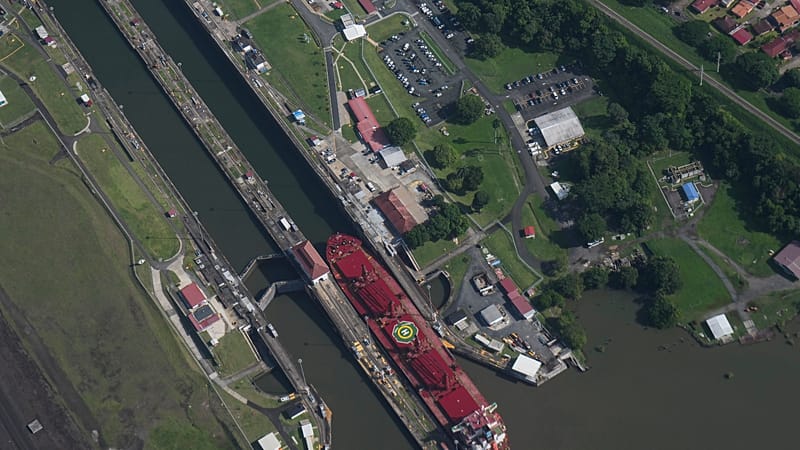
The Panama Canal is expected to reduce daily ship transits in September as authorities prepare for an unusually early dry season and lower rainfall linked to El Niño,. The waterway, which handles about 5% of global maritime trade, normally sees between 36 and 38 ships pass each day.
Canal administrator Ricaurte Vásquez said the dry season, normally expected to begin in December, could start at least a month earlier, and rainfall during the normally wet months of October and November was expected to be below average.
From Sept. 3, the canal will offer 34 daily transit slots before reducing the number to 32 from Sept. 15, the most significant restrictions since a drought in 2023 and 2024 forced authorities to sharply limit traffic. Steve Paton of the Smithsonian Tropical Research Institute said rainfall in the canal watershed since April had reached only about two-thirds of the average and was trending downward.
"The lake level will continue to drop and drop when it should be rising," Paton said, warning that lower rainfall could limit both the frequency of ship traffic and the maximum draft allowed through the canal. Panama Canal authorities are trying to preserve enough freshwater to maintain operations through a dry season that could last about five months, until rains are expected to return in April or May 2027.
"The water we have - the water we hope to have and that we monitor day by day - is the water we are striving to preserve and use more effectively so that we can provide the best possible service to our customers," Vásquez said. Ships without confirmed reservations could face longer waits as the canal reorganizes auctions for available transit slots.
An auction this month reached a record $5.3 million for a Sept. 1 passage, according to a Panamanian maritime industry official who was not authorized to provide the information, compared with $50,000 to $100,000 under normal conditions. Paton said the El Niño event was expected to bring unusually high Pacific temperatures and reduced rainfall, putting further pressure on the canal's water reserves.
Today