

France struggles to contain cattle lumpy skin disease as farmers' protests spread
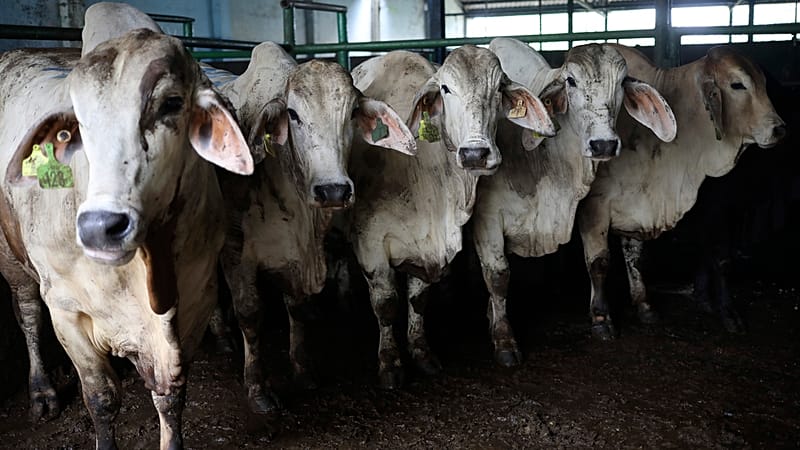
French authorities are working against the clock to contain the rapid spread of lumpy skin disease, a deadly viral infection transmitted by insects that affects cattle.
As outbreaks continue to multiply in the southwest, clashes are intensifying between officials and farming unions opposed to the systematic culling of entire herds when a single case is detected.
According to the latest figures from the Ministry of Agriculture, 109 outbreaks had been identified nationwide as of 9 December.
The disease poses no risk to humans, but it causes skin lesions, reduces milk production and threatens export markets, leading to significant economic losses for farmers.
To contain the spread, authorities have adopted a strict policy: culling every herd where an infection is detected, combined with movement restrictions and vaccination. Some farming unions fiercely oppose this approach.
The Rural Coordination farmers' union has criticised the government's strategy as disproportionate and ineffective.
The Farmers' Confederation, also active in recent protests, has called for nationwide strikes starting this Friday.
While the main farmers' union FNSEA has urged restraint, its president Arnaud Rousseau has spoken in support of the government's approach.
In a video posted on X, he stressed the need to contain the virus quickly to avoid further restrictions that could affect meat and dairy prices.
Agriculture Minister Annie Genevard reiterated the urgency of the situation. "This disease must be eradicated; otherwise, it could cause the death of 10% of French livestock," she said on Friday.
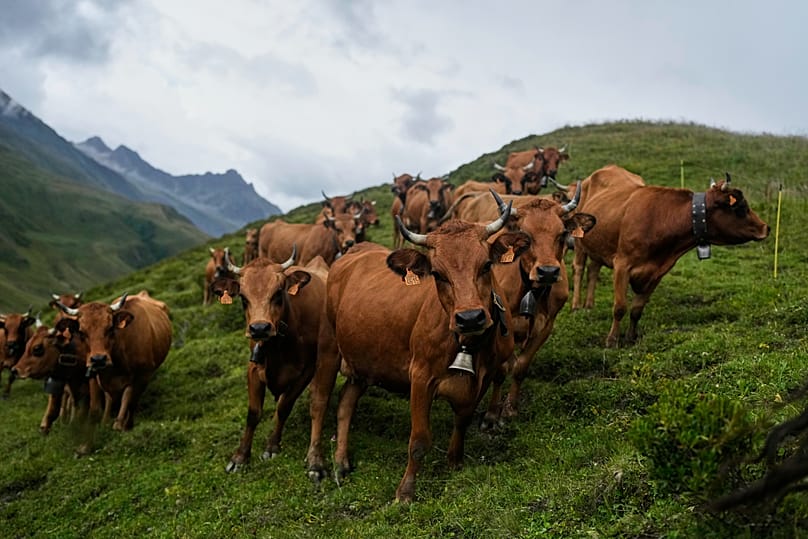
At the same time, the southwest Occitanie region announced an emergency fund of €300,000 for farmers affected by the disease, regional president Carole Delga announced in a post on X.
On Friday morning, the culling of the 200-cow herd in Ariège finally began, after police had intervened the previous evening to remove several hundred protesters.
Officials have also highlighted cases of illegal animal movements, which they suspect may be contributing to the spread of the virus across France.
Today