

World AIDS Day: A timeline of the fight against one of the world's most devastating epidemics
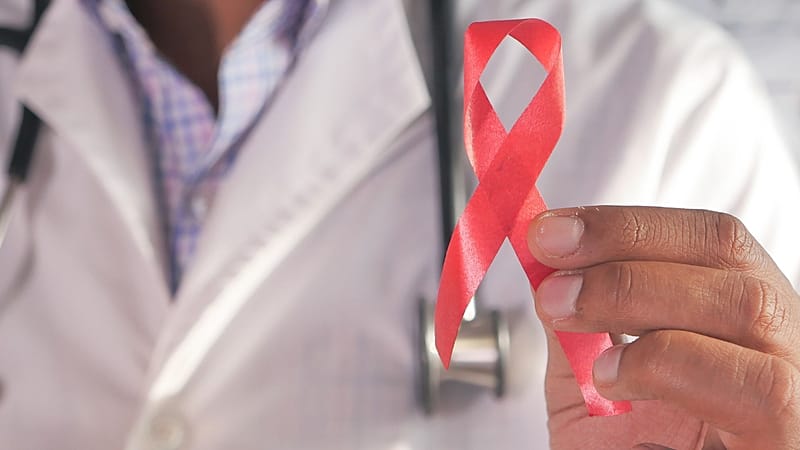
Every year since 1988, a global cadre of scientists, doctors, families, and advocates have marked World AIDS Day on 1 December to remember the victims of the HIV/AIDS epidemic and promote efforts to bring it to an end.
Since the beginning of the crisis, about 44.1 million people worldwide have died from causes related to HIV (human immunodeficiency virus), the virus that causes AIDS (acquired immunodeficiency syndrome). About 91.4 million people have been infected with HIV.
Despite major scientific advancements to prevent and treat HIV in recent decades, global health experts have warned that recent funding cuts from wealthy countries could lead to a resurgence in hard-hit regions.
On the 37th World AIDS Day, here are eight key developments in the fight against one of the most devastating epidemics in human history.
1981: First cases reported
In June, US health officials reported on a mysterious illness affecting a crop of young, previously healthy gay men, all of whom would eventually die. Hundreds more cases were soon identified, including among people who used drugs, haemophiliacs, and blood transfusion patients.
Europe’s first AIDS surveillance was issued in 1984, and by late 1985, an HIV test was made available in the United Kingdom.
This was the beginning of what would become known as the HIV/AIDS epidemic, absorbing the scientific community and the entire world for decades to come.
1996: New treatment curbs AIDS deaths
After years of trial and error, scientists found that highly active antiretroviral therapy (HAART), a cocktail of three drugs, was a highly effective treatment for AIDS.
HAART restores the immune system by suppressing the virus, slowing the progression of HIV to AIDS. Antiretroviral therapies transformed HIV diagnosis from a death sentence to a manageable chronic disease – for those who could afford it.
As a result, the number of AIDS-related deaths fell substantially in countries with access to the treatment. Meanwhile, the number of people living with HIV rose due to increased testing and diagnoses as well as the ongoing spread of the virus.
2003: Creation of PEPFAR
The United States announced the President’s Emergency Plan for AIDS Relief (PEPFAR), initially a $15 billion (€13 billion), five-year plan to fight HIV/AIDS in high-burden countries.
As of 2025, it has been credited with saving more than 26 million lives in 50 countries, making it the largest global health programme for a single disease of all time.
2011: Scientists find antiretrovirals prevent HIV’s spread
At a conference in Rome, scientists announced that antiretroviral drugs aren’t only useful to treat HIV – they also greatly reduce the risk that an HIV-infected person will spread the virus to a sexual partner who is not infected.
2012: First PrEP drug approved to curb risk of HIV infection
US regulators approved Truvada to be used for pre-exposure prophylaxis (PrEP), followed by the European Union in 2016.
PrEP is a daily pill for people at higher risk of HIV infection – such as gay and bisexual men, transgender people, and sex workers – to lower the risk that they will contract the virus. Studies show it can cut HIV risks from sex by about 99 per cent and from injections by about 74 per cent.
Combined, antiretrovirals and PrEP have changed the trajectory of the HIV epidemic in wealthy countries. In the UK, for example, they caused new HIV diagnoses among gay and bisexual men to plummet by two-thirds between 2015 and 2020.
2020: Challenges in ramping up HIV prevention and treatment
In 2014, the United Nations Programme on HIV/AIDS (UNAIDS) set a 2020 target for 90 per cent of HIV patients worldwide to be aware of their HIV status, using antiretroviral treatments, and having their viral loads suppressed. The UN General Assembly adopted these goals – known as 90-90-90 – two years later.
According to UNAIDS, reaching this target would allow the world to end the epidemic by 2030.
Sweden was the first country to achieve these goals in 2016. But by 2020, only 19 countries worldwide had fully or nearly achieved the 90-90-90 targets.
2024: Twice-yearly PrEP injection hailed as game-changer
Studies showed that a single injection of the antiretroviral medication lenacapavir can protect against HIV for six months at a time, up from two months with a previous drug.
The EU approved the jab the following year, and international groups quickly banded together to bring affordable generic versions of the drug to lower-income countries in 2027.
2025: Funding cuts threaten progress
HIV services were disrupted in many countries this year as the US abruptly froze or withdrew foreign aid. European countries, including the UK, Germany, and France, have also slashed global health funding this year.
Global health experts have warned that these cuts could undermine years of work combating HIV/AIDS and other long-term health crises, such as malaria and tuberculosis (TB).
Today, an estimated 40.8 million people are living with HIV worldwide, and it killed about 630,000 people last year. The African continent is the hardest hit, accounting for more than two-thirds of all cases.
Today