

French legendary actress Brigitte Bardot dies aged 91
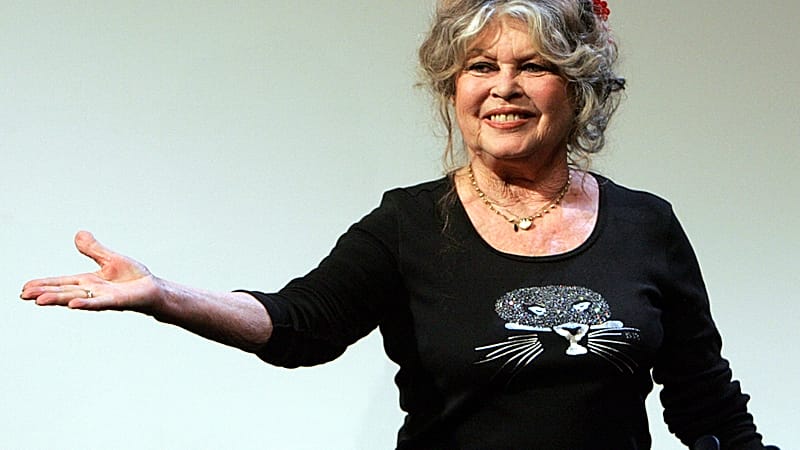
Brigitte Bardot, one of the world's biggest stars of cinema, has died.
She was 91 and had been in hospital in the southern French city of Toulon since November.
In a statement the Brigitte Bardot Foundation announced her death with "immense sadness", describing her as a "world-renowned actress and singer, who chose to abandon her prestigious career to dedicate her life and energy to animal welfare and her foundation."
Known for her enormous impact on the silver screen, and beyond it, in the 1950s and 60s, "BB" as she was widely called in France, was an essential ingredient in French culture and soon became an icon after her first role in Le Trou Normand (1952)
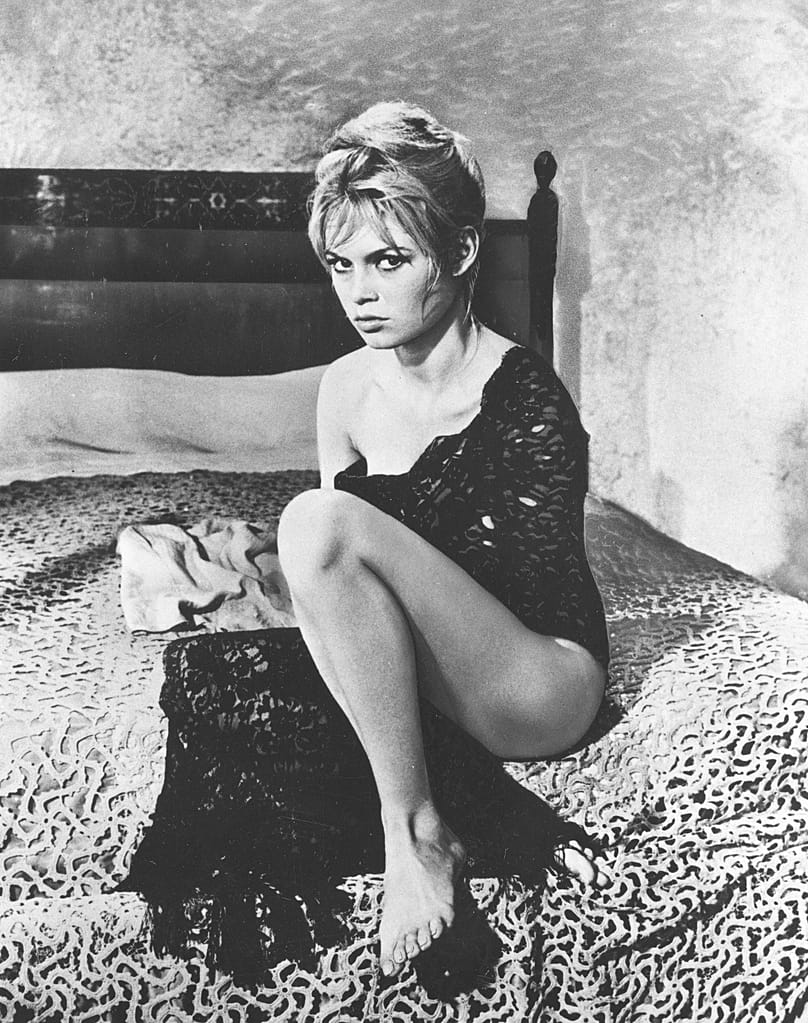
From bourgeois Parisian beginnings, she set her heart of becoming a singer and dancer and was picked out as a model at the age of 15.
Two more films followed in 1952 and she also got married at the same time to the film director Roger Vadim. A year later Bardot took Hollywood and the United States by storm, and her status as a teenage "sex-kitten" was firmly established. Men wanted to be with her, and women wanted to be like her as she inspired fashion trends and hairstyles.
When Bardot starred in the 1956 movie 'And God Created Woman', directed by her then-husband, Roger Vadim, it triggered a scandal with scenes of the long-legged beauty dancing near naked on tables.
The film, which portrayed Bardot as a bored newlywed who beds her brother-in-law, had a decisive influence on New Wave directors Jean-Luc Godard and Francois Truffaut, and came to embody the hedonism and sexual freedom of the 1960s.
Bardot’s unabashed, off-screen love affair with co-star Jean-Louis Trintignant further shocked the nation. It eradicated the boundaries between her public and private life and turned her into a hot prize for paparazzi.
Bardot never adjusted to the limelight. She blamed the constant press attention for the suicide attempt that followed 10 months after the birth of her only child, Nicolas. Photographers had broken into her house two weeks before she gave birth to snap a picture of her pregnant.
“It’s an embarrassment to have acted so badly,” Bardot said of her early films. “I suffered a lot in the beginning. I was really treated like someone less than nothing.”
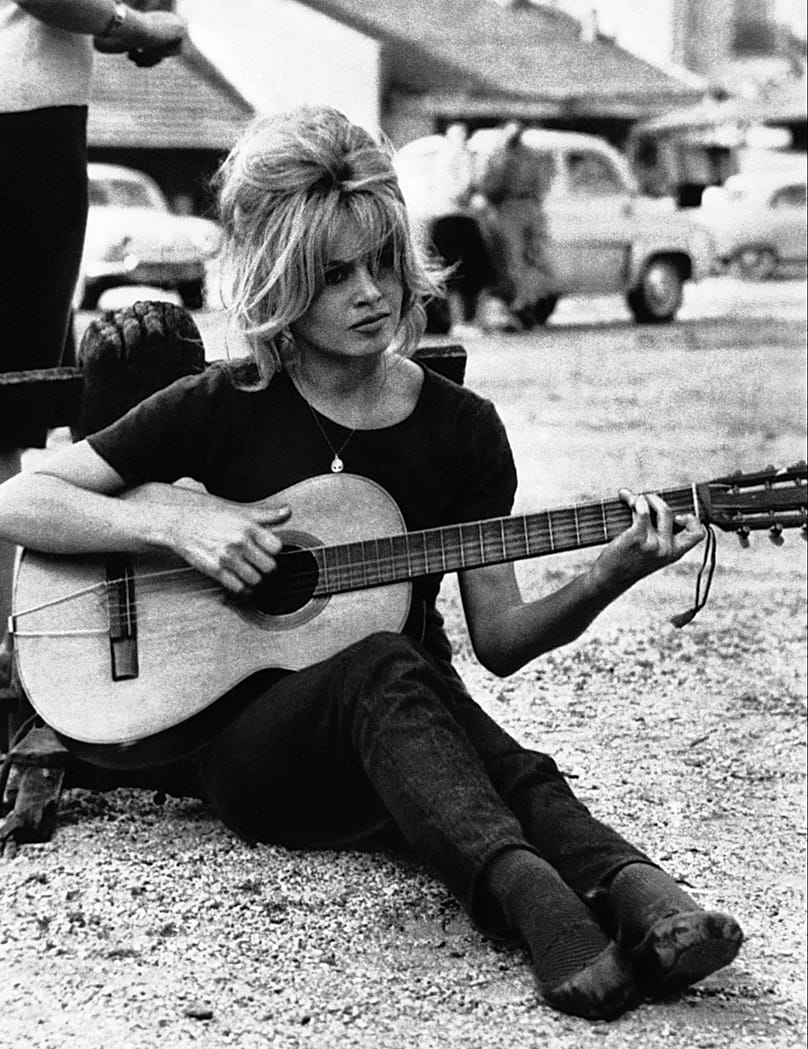
She went on to feature in a total of 28 films over two decades and become a symbol of women's sexual liberation.
With the exception of 1963’s critically acclaimed 'Le Mepris' (Contempt), directed by Godard, Bardot’s films were rarely complicated by plots. Often they were vehicles to display her scantily dressed or frolicking naked in the sun.
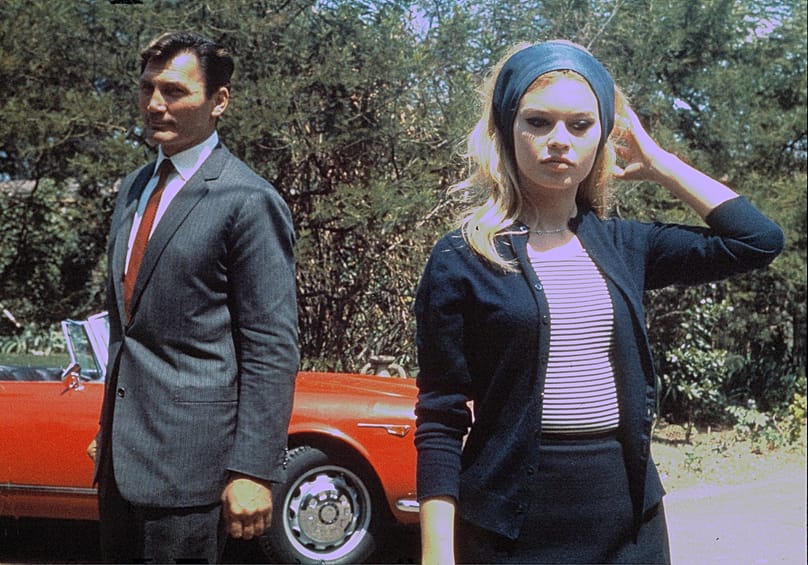
“It was never a great passion of mine,” she said of filmmaking. “And it can be deadly sometimes. Marilyn (Monroe) perished because of it.”
Bardot retired to her Riviera villa in St. Tropez at the age of 39 in 1973 after 'The Woman Grabber.'
She deliberately chose the Mediterranean coastal resort. It was where she was discovered as a teenager and lived practically her entire life. In a post on Facebook, local authorities said she "will forever be associated with the image of the city, making her the most brilliant ambassador."
Animal rights activist
Bardot’s second career as an animal rights activist was equally sensational. She traveled to the Arctic to blow the whistle on the slaughter of baby seals; she condemned the use of animals in laboratory experiments; and she opposed sending monkeys into space.
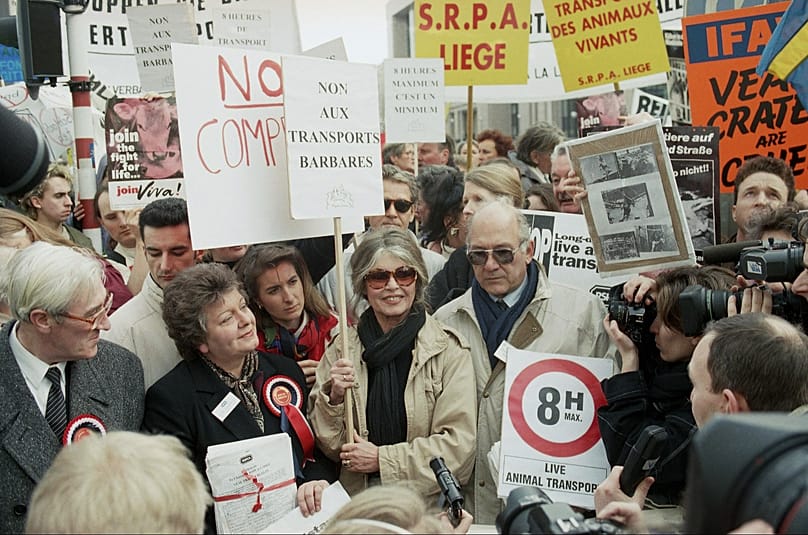
Her activism knew no borders. She urged South Korea to ban the sale of dog meat and once wrote to U.S. President Bill Clinton asking why the U.S. Navy recaptured two dolphins it had released into the wild.
She attacked centuries-old French and Italian sporting traditions including the Palio, a free-for-all horse race, and campaigned on behalf of wolves, rabbits, kittens and turtle doves.
“Man is an insatiable predator,” Bardot told The Associated Press on her 73rd birthday, in 2007. “I don’t care about my past glory. That means nothing in the face of an animal that suffers, since it has no power, no words to defend itself.”
Her activism earned her compatriots’ respect and, in 1985, she was awarded the Legion of Honour, France's top accolade.
Far-right trials and #MeToo criticism
Later, however, she fell from public grace as her animal protection diatribes took on a decidedly extremist tone and her far-right political views sounded racist as she frequently decried the influx of immigrants into France, especially Muslims.
She was convicted five times in French courts of inciting racial hatred. Notably, she criticised the Muslim practice of slaughtering sheep during annual religious holidays like Eid al-Adha.
“It’s true that sometimes I get carried away, but when I see how slowly things move forward ... my distress takes over,” Bardot told the AP when asked about her racial hatred convictions and opposition to Muslim ritual slaughter.
Bardot’s 1992 marriage to fourth husband Bernard d’Ormale, a onetime adviser to former National Front leader Jean-Marie Le Pen, contributed to her political shift. She described the outspoken nationalist as a “lovely, intelligent man.”
In 2012, she caused controversy again when she wrote a letter in support of Marine Le Pen, the current leader of the party — now renamed National Rally — in her failed bid for the French presidency.
In 2018, at the height of the #MeToo movement, Bardot said in an interview that most actors protesting sexual harassment in the film industry were “hypocritical” and “ridiculous” because many played “the teases” with producers to land parts.
She said she had never had been a victim of sexual harassment and found it “charming to be told that I was beautiful or that I had a nice little ass.”
Music matters
Bardot will also leave an indelible trace in French minds through her music. Her debut album, Brigitte Bardot Sings (1963) featured French-language songs, reflecting her public persona and showcasing her singing style.
In the late 60s she had a romantic affair with the legendary French singer-songwriter Serge Gainsbourg and was the voice on numerous hits including, Bonnie and Clyde, Harley Davidson, La Madrague and Comic Strip.
In 1967, the pair also recorded the famous duet Je t'aime...moi non plus which caused enormous controversy as it featured sexually explicit lyrics and simulated sounds of lovemaking. The track was never officially released given Bardot's then husband Gunter Sach's links to the Catholic Church, but it gained notoriety after being leaked. Further scandal and gossip erupted about whom Gainsbourg wrote the song for after it was later rerecorded by him and Jane Birkin in 1969.
Presidential tribute
French President Emmanuel Macron took to X, formerly known as Twitter, to share his condolences. "We are mourning a legend,'' he wrote on the social media platform on Sunday morning.
"Her films, her voice, her dazzling fame, her initials, her sorrows, her generous passion for animals, her face that became Marianne—Brigitte Bardot embodied a life of freedom. A French existence, a universal radiance. She touched us. We mourn a legend of the century."
Today