

Iran admits false claim that Israeli F-35 jets were shot down in 12-day conflict
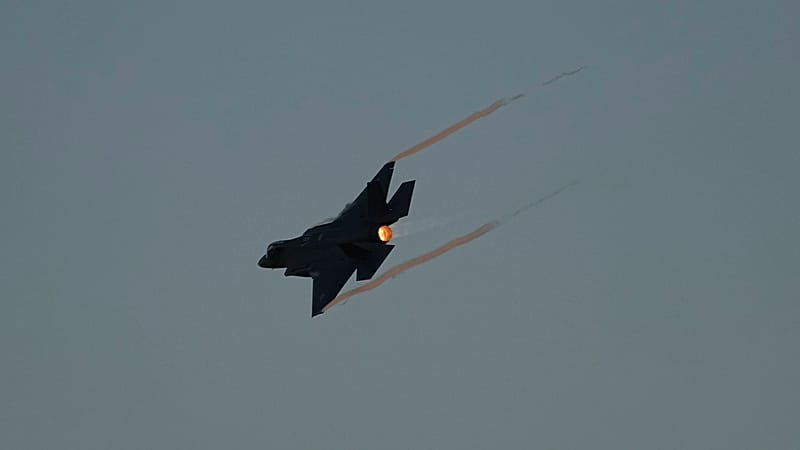
Iran's state broadcaster admitted it falsely reported that two Israeli F-35 fighter jets were shot down during the 12-day conflict between Israel and Iran in June, acknowledging the claim was based on unreliable information from a military official.
Peyman Jabali, head of the Iranian Broadcasting Corporation, said during a speech at Beheshti University in Tehran that his organisation made a professional error when it broadcast the incorrect reports.
"We reported what we received as it was, but then it turned out that the information was not correct," Jabali said, according to Iran's Eqtesad website.
"A military official told us that the incident occurred, so we reported the news as it was, but it turned out later that the information was not reliable."
The initial claims sparked widespread scepticism given that no F-35 has been confirmed shot down in any armed conflict.
Jabali said the incident damaged the broadcaster's credibility, stating that media organisations should not rely on sources unless there are clear official statements.
He criticised what he described as a "rhetoric of weakness" emanating from within Iran, saying it contributed to inaccurate assessments that Israel used during the confrontation.
Being quick to publish unconfirmed information "is not an advantage," Jabali said, particularly regarding the deaths of military officers or commanders.
B2s and bunker-busters
The 12-day conflict began on 13 June when Israel launched a large-scale air operation called "Operation Rising Lion" targeting military sites and other infrastructure that it said housed Iranian top military leaders and nuclear scientists.
Tehran responded the same evening by launching what it dubbed "Operation Honest Promise 3," using ballistic missiles and drones against Israel.
The confrontation resulted in the killing of Revolutionary Guard commanders and destruction of sensitive facilities in Iran, while Israeli cities sustained damage after hundreds of Iranian missiles were fired.
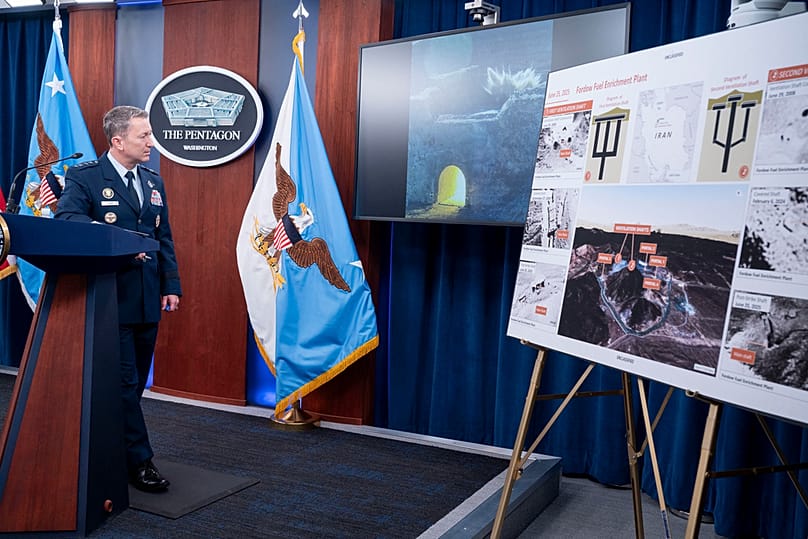
On 22 June, the United States joined the conflict with B-2 bomber raids, dropping bunker-buster bombs on Iranian nuclear sites including Fordow, Natanz and Isfahan.
Iran responded by attacking the US al-Udeid air base in Qatar before President Donald Trump announced a ceasefire on 24 June.
The conflict is seen as the culmination of years of mutual escalation, with Israel viewing Iran's nuclear programme as an existential threat and Iran not recognising Israel's legitimacy.
Today