

Utrecht lifts forest warning after DNA confirms wolf shot was menace known as 'Bram'
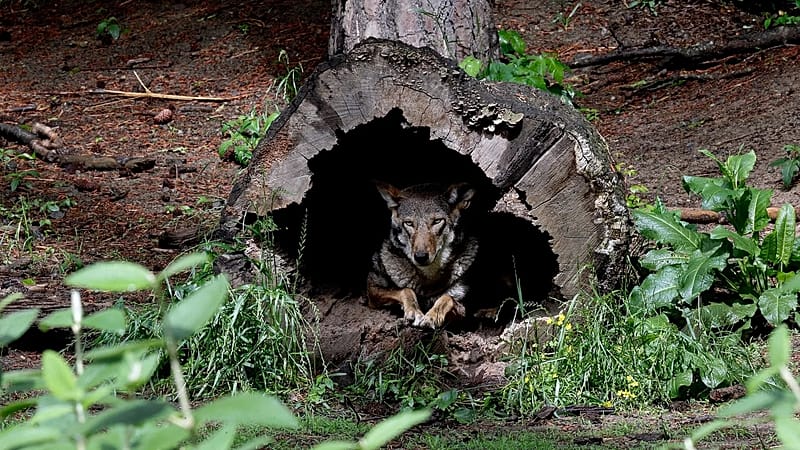
A warning to stay out of forests close to one of the Netherlands' biggest cities was withdrawn on Friday after DNA tests confirmed that a wolf shot last week was the animal that had menaced visitors near Utrecht, an area popular with walkers, runners and cyclists.
Utrecht Province issued a permit to shoot the wolf, identified officially as GW3237m but known locally as "Bram," after several reported incidents including biting or approaching humans.
Earlier this year, the province advised people to avoid wooded areas between two major highways in the region.
"Now the problem wolf has been removed from the population, the direct threat and the advice to avoid the area no longer apply," the province said in a statement.
It added that more general advice about how to behave in a territory where wolves are known to live remains in force.

The densely populated Netherlands is coming to terms with the return of the apex predator several years ago, about two centuries after the animals were hunted to extinction.
Conservationists celebrated in 2019 when the eastern province of Gelderland shared video of the first litter of wolf cubs born in the wild since wolves began crossing the nearby border from Germany.
While there have been no attacks on humans resulting in death or serious injury, farmers and others have complained that wolves kill livestock and pose a threat to humans.
According to the European Commission, there are around 23,000 wild wolves in Europe and the population increased by 35% between 2016 and 2023. Large populations live in Bulgaria, Greece, Italy, Poland, Romania and Spain.
Confirmation of Bram's death came just over a year after European nations approved plans to scale back protection for wolves, allowing hunting under specific circumstances.
Last year, European Commission President Ursula von der Leyen hailed the decision to ease protection as "important news for our rural communications and farmers" who had a right to better protection of their livelihoods.
Today