

Drought on Serbia's Sava River reveals long-lost WWII shipwreck
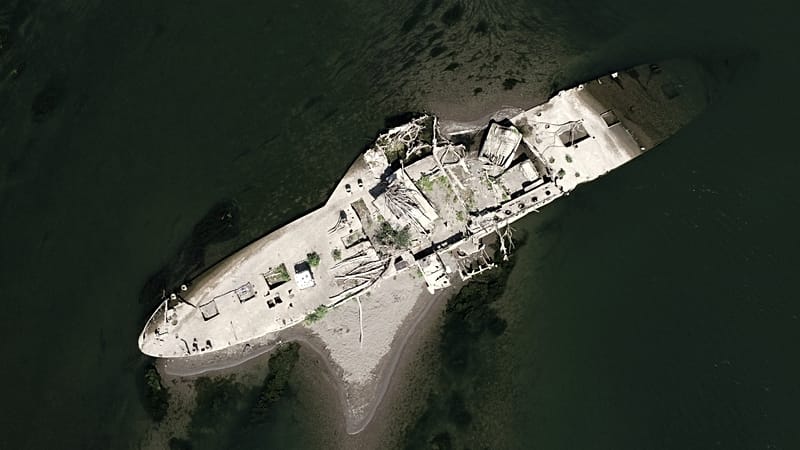
Recent heatwaves and severe droughts across Europe have caused river levels to fall sharply, bringing long-hidden traces of the continent’s past to the surface.
On the Sava River, a major right-bank tributary of the Danube in Serbia, the wreck of the Slovenac is the latest historic relic to emerge as prolonged heat and drought drive water levels exceptionally low. The 112-year-old steam tug, built in Budapest in 1913, is now so exposed that parts of its hull and interior can be seen above the water. Local residents say they have never seen so much of the vessel revealed at once.
Built in Budapest in 1913, when the city was part of the Austro-Hungarian Empire, the 54-metre steam-powered tug was originally named Vag, after the Váh River in present-day Slovakia. It carried heavy cargo between Budapest and other towns along the Danube.
After the First World War and the collapse of Austria-Hungary, the vessel became part of the newly formed Kingdom of Serbs, Croats and Slovenes and was renamed Slovenac. During the Second World War, it transported equipment and wounded fighters after Yugoslav anti-fascist forces retook Belgrade. In April 1945, it struck a German mine while carrying wounded fighters and sank. It has remained at the same location ever since.
The wreck offers a rare, tangible link to the region’s wartime past and is part of a wider pattern across Europe, where receding waters have exposed submerged boats, military equipment and other archaeological remains. With droughts becoming more severe and river levels increasingly erratic, more of these hidden relics could emerge in the years ahead.
Today