

Iran's president calls for end to war from 'position of power' as US ups pressure
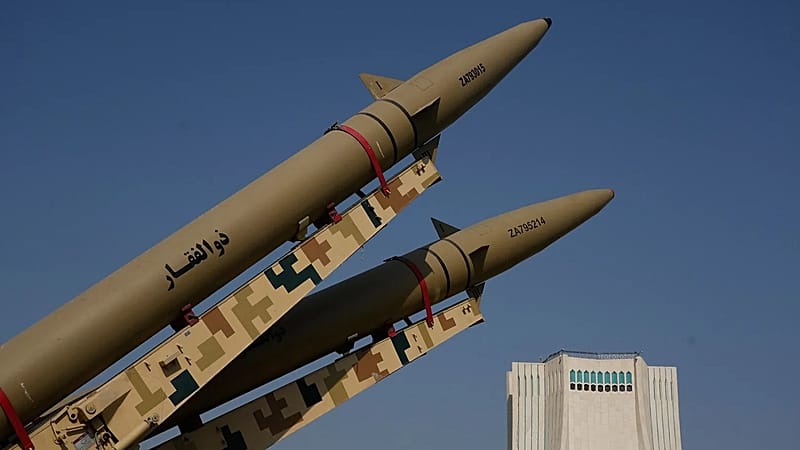
Iranian President Masoud Pezeshkian said on Friday it was time to end the months-long war with the United States because Tehran was in a position of strength over Washington.
"It is better that we bring the war to an end now as we are in a position of power and dignity," Pezeshkian said.
"The whole world acknowledges our victory and emphasises that America has attacked our schools, hospitals and infrastructure in violation of all regulations and is hated around the world."
Iran's foreign ministry earlier accused the US of "economic terrorism" and "crimes against humanity" after Washington said it would ramp up sanctions to heap pressure on Tehran.
"The perpetrators and instigators of these sanctions are deserving of trial and punishment for committing such heinous crimes," it said in a statement carried by state media.
Other senior Iranian officials also criticised the US sanctions plan.
"The so-called 'Economic D-Day' is a diversion from America's own crisis: unprecedented debt & surging interest costs," Iran's Foreign Minister Abbas Araghchi said in a post on X.
Talks between the two remain on hold, with both sides in the war started by the US and Israel in late February locked in a stalemate.
Tehran is keeping the key Strait of Hormuz shut and Washington is persisting with a naval counter-blockade of Iran.
Beijing calls for 'responsible measures'
Washington had urged other governments including China to join efforts to isolate the Iranian economy.
Asked about US President Donald Trump's threats, Chinese foreign ministry spokesperson Lin Jian told reporters on Friday that "sanctions and pressure will not help resolve the issue".
"China calls on all relevant parties to take responsible measures and resolve the problem through political and diplomatic means," he said.
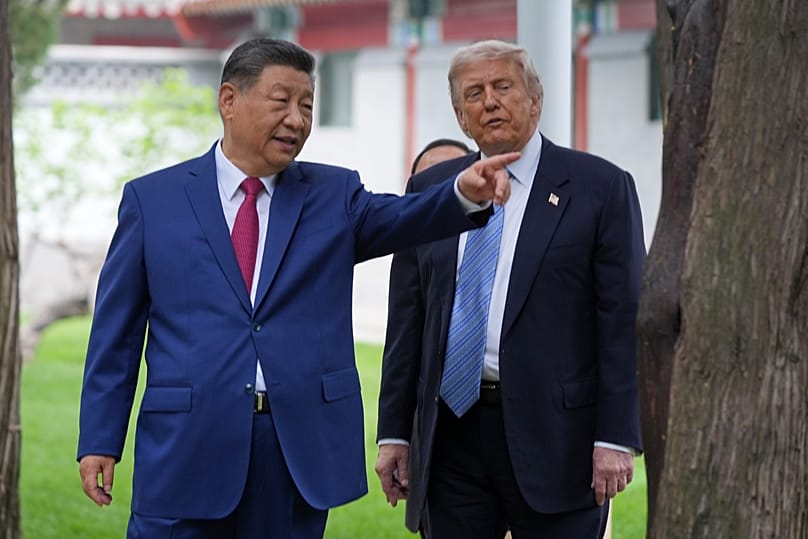
Chinese President Xi Jinping is due to visit the White House on 24 September when the topic of Iran is sure to come up, as it did when Trump travelled to Beijing for a summit in May.
US Treasury chief Scott Bessent said the plan to ramp up economic sanctions against Iran meant Washington was less likely to have to return to heavy military operations against the country.
Bessent said he would provide further details on the economic measures against Iran at a press conference on Monday.
Economic pain, political pressure
Iran has been subject to Western sanctions for years and has become deft at partially circumventing them.
It has expanded domestic production, used informal cross-border trade networks, bought restricted goods through third countries, and used a shadow fleet to transport its oil.
“Iran’s resistance capacity not only avoids collapse, it also prevents the economic pain from translating into the political pressure and changes that the US expects,” said Hadi Kahalzadeh, an expert on Iran’s economy at Brandeis University.
Yet inflation in Iran is expected to rise nearly 70% by the end of the year, according to the International Monetary Fund, and the country's economy is forecast to shrink by more than 5%.
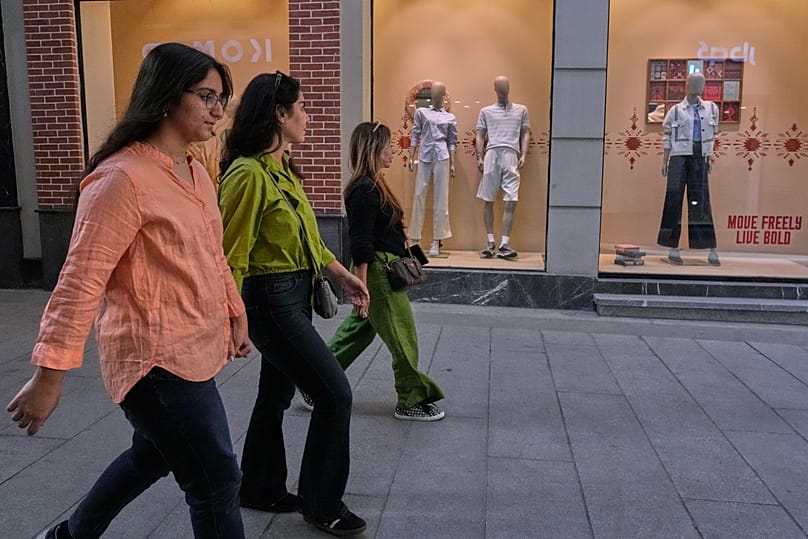
While petrol has remained cheap thanks to government subsidies, that may not last forever as supplies tighten.
A presidential aide told Iranian state television last week that the country now uses more petrol each day than it produces and that Tehran might need to raise prices — something that has led to widespread protests in the past.
Amid the economic struggles, Pezeshkian has said his government favours a negotiated end to the war.
“What concerns us is people’s livelihoods and their economic situation, and we are doing everything we can to deal with it,” he told reporters last week.
But the most powerful force in Iran remains the elite paramilitary IRGC, which has only become stronger after withstanding US and Israeli airstrikes that killed Iran’s top leaders during the war's opening salvos.
The IRGC is pressing for greater concessions from the US, including Iranian control over Hormuz and financial compensation for the war.
With negotiations to end the war stalled, Iran’s hardliners believe their country can endure the economic pressures longer than their adversaries.
Iran’s Ayatollah Mojtaba Khamenei this month appointed a former IRGC commander to head Iran’s powerful Supreme National Security Council, a sign that he favours the hard-line approach.
Today