

Muslim World League launches plan to counter extremism and promote peace in West Africa
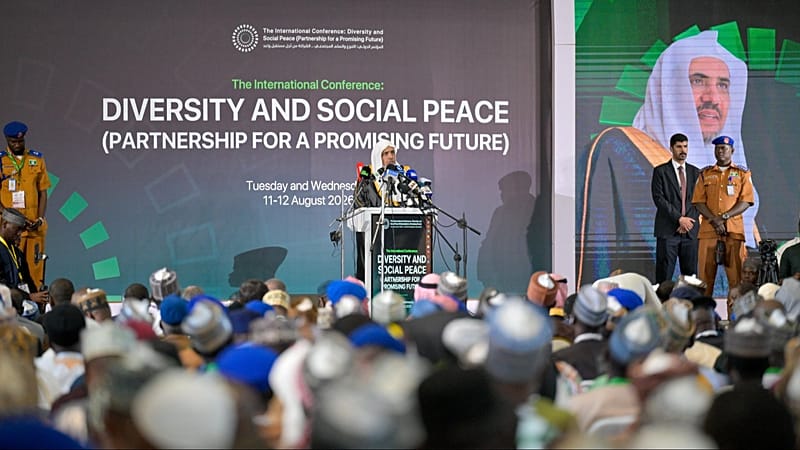
The Muslim World League has launched an initiative aimed at countering extremist discourse in West Africa, with Muslim and Christian leaders from across the region signing a series of cooperation agreements at an international conference in Abuja.
The League unveiled the initiative at a conference titled "Diversity and Social Peace: A Partnership for a Promising Future," held under the patronage of Nigerian President Bola Ahmed Tinubu.
The gathering brought together Muslim and Christian religious leaders alongside government officials and civil society representatives.
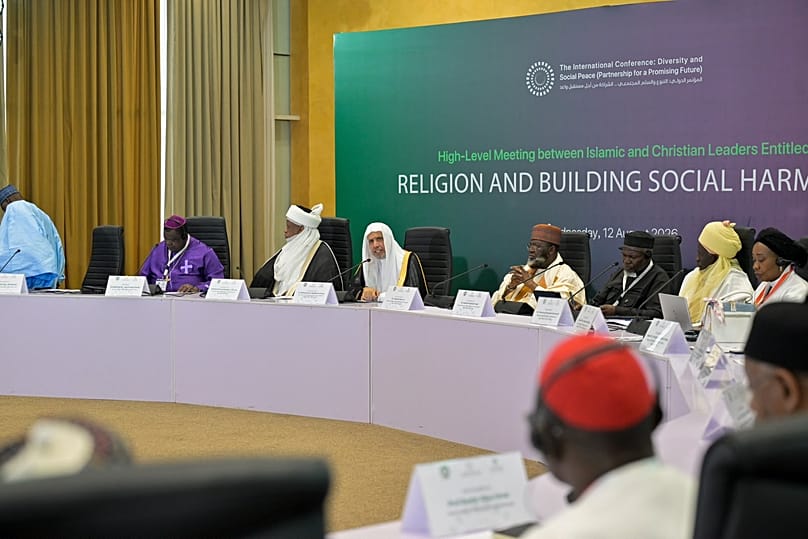
Delegates adopted the Abuja Declaration by consensus, setting out a joint action plan for government institutions, religious leaders and civil society organisations to work together on conflict prevention and counter extremist narratives.
The declaration also approved expanding educational, training and media programmes linked to the Makkah Charter, a framework for religious cooperation.
The declaration established a new Coordinating Body for Religious and Civil Leaders and Institutions in West Africa to oversee implementation, coordinate programmes and conduct regular progress assessments.
Sheikh Mohammed bin Abdul Karim Al-Issa, the League's secretary-general, said the initiative was designed to address the root causes of extremist ideas through binding agreements between the parties.
Four memorandums of understanding were signed at a follow-up meeting between Muslim and Christian leaders: between the Muslim World League and Nigeria's Interfaith Mediation Centre, between Jamaat Izalat al-Bid'a wa Iqamat as-Sunna and the Council of Christian Religious Leaders in Northern Nigeria, between Jamaat Nasr al-Islam and the Christian Youth Initiative for Peace and Development, and between the Union of Ahl al-Sunna Organisations and the Alliance of Progressive Pastors. The coordinating body will oversee implementation of all four agreements.
The initiative comes as West Africa continues to face significant security challenges from extremist groups, including Jama'a Nusrat ul-Islam wa al-Muslimin (JNIM) and the so-called Islamic State in the Greater Sahara (ISGS), whose attacks have killed thousands and displaced millions across the Sahel over the past decade.
Nigeria itself has battled Boko Haram and its offshoot, the so-called Islamic State West Africa Province (ISWAP), since 2009. The violence has repeatedly sought to sow discord between Muslim and Christian communities.
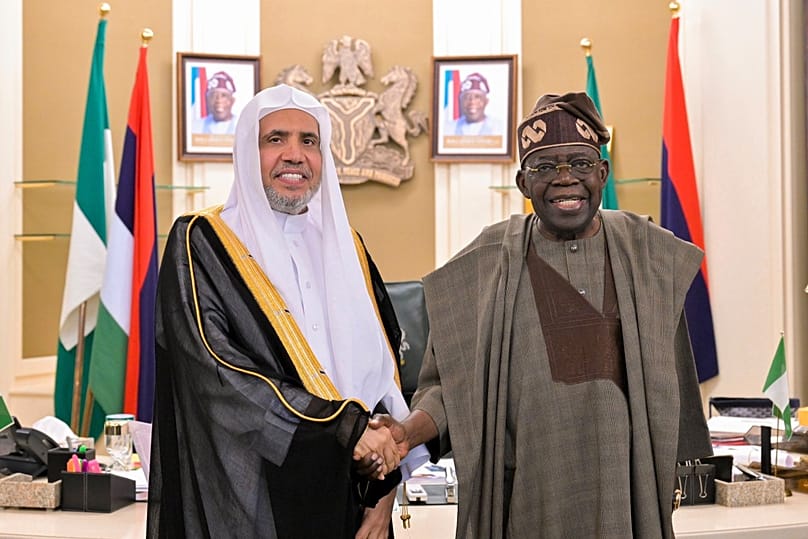
Tinubu met Al-Issa at the presidential palace on the sidelines of the conference and confirmed his full backing for the declaration and its implementing programmes, including a commitment to periodic evaluations.
Participants included Muslim and Christian leaders from across West Africa, as well as representatives of the Organisation of Islamic Cooperation, US evangelical leaders, and delegates from the Vatican and Protestant churches.
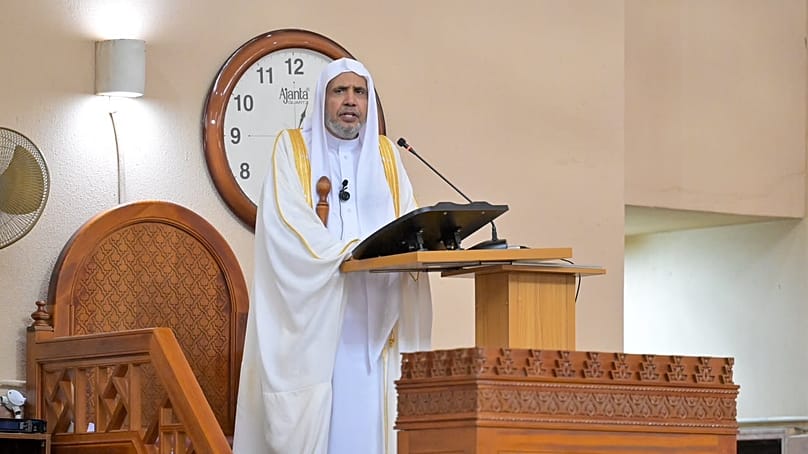
Al-Issa also delivered the Friday sermon at the National Grand Mosque in Abuja before departing.
Al-Issa also praised Nigeria's religious and national values, in the context of meetings and initiatives during the visit aimed at supporting cooperation between religious leaders and institutions and strengthening social peace in the country and the wider region.
Today